


Top Custom Bee Removal Services for Every Situation
Bees play a vital role in our ecosystem, pollinating plants and supporting biodiversity. However, when they decide to build a hive too close to human living spaces, it can become a serious concern. Whether you find a small cluster of bees in your garden or a large hive inside your walls, knowing the right approach to handle the situation is essential. This guide explores top custom bee removal services tailored for every situation, helping you manage bee encounters safely and effectively.
Understanding Custom Bee Removal Services
Custom bee removal services are specialized solutions designed to address bee infestations based on the unique circumstances of each case. Unlike generic pest control, these services focus on safely relocating bees without harming them, preserving their ecological benefits while protecting your property.
Why Choose Custom Services?
Tailored Approach: Every bee situation is different. Custom services assess the hive size, location, and bee species before deciding on the best removal method.
Humane Treatment: Many services prioritize bee preservation, using non-lethal techniques to relocate hives.
Safety First: Professionals use protective gear and equipment to minimize risks to both the bees and people involved.
Long-Term Prevention: Custom plans often include advice or treatments to prevent future infestations.
For example, a small hive in a backyard tree might be safely relocated by a beekeeper, while a large hive inside a wall cavity may require more complex extraction and repair work.
Common Bee Removal Techniques for Different Situations
Bee removal methods vary depending on the hive’s location, size, and urgency. Here are some of the most effective techniques used by professionals:
1. Live Bee Removal and Relocation
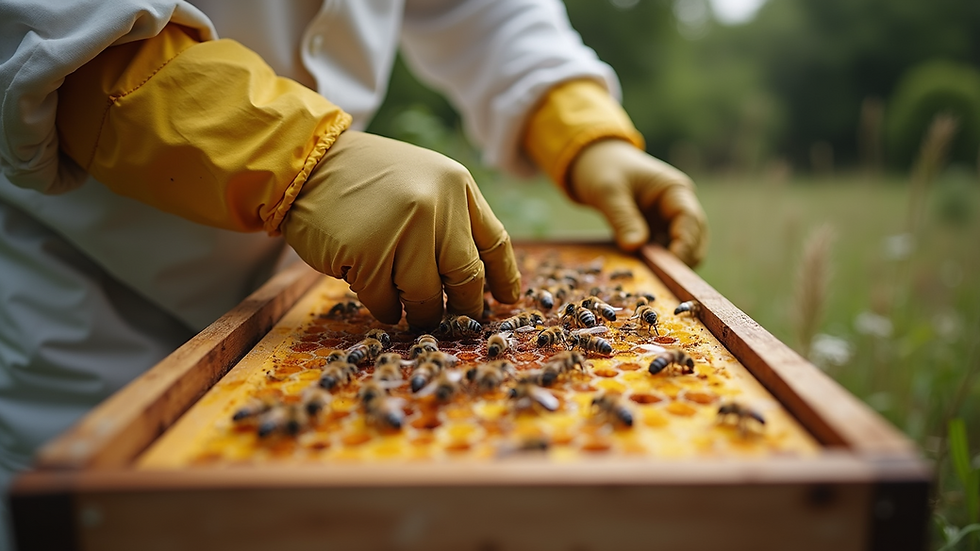
This method involves carefully capturing the bees and moving them to a safe location. It is ideal for:
Hives in trees or shrubs
Small to medium-sized colonies
Situations where bee preservation is a priority
The process includes using bee vacuums or specialized boxes to collect the bees, then transporting them to a new habitat. This method requires expertise to avoid harming the bees or causing them to become aggressive.
2. Hive Removal from Structures
When bees nest inside walls, attics, or other parts of buildings, removal becomes more complex. Professionals may:
Open walls or ceilings to access the hive
Remove honeycomb and bees carefully
Repair structural damage and seal entry points
This approach prevents future infestations and protects your home from damage caused by honey and wax buildup.
3. Use of Bee Repellents and Deterrents
In some cases, applying natural or chemical repellents can encourage bees to leave an area on their own. This method is less invasive but may take longer and is best for:
Small bee clusters
Areas where hive removal is not immediately possible
4. Preventive Measures
After removal, professionals often recommend preventive steps such as:
Sealing cracks and holes in buildings
Removing food sources that attract bees
Regular inspections during bee season
These measures help reduce the chances of bees returning.

How much does bee removal usually cost?
The cost of bee removal varies widely depending on several factors:
Hive Size: Larger hives require more time and effort to remove.
Location: Hives inside walls or hard-to-reach places increase labor costs.
Method Used: Live removal and relocation may be more expensive than extermination.
Damage Repair: If structural repairs are needed, costs will rise.
On average, bee removal services can range from $150 to $1,000 or more. Small outdoor hives might be on the lower end, while complex indoor removals with repairs can be significantly higher. Always request a detailed estimate from your service provider before proceeding.
DIY vs. Professional Bee Removal: What You Need to Know
While some may consider handling bee removal themselves, it is generally not recommended unless you have experience. Here’s why:
Safety Risks: Bees can sting and cause allergic reactions.
Legal Restrictions: Some regions protect certain bee species, making removal without permits illegal.
Effectiveness: Professionals have the right tools and knowledge to remove bees without causing harm or damage.
Long-Term Solutions: DIY methods may only provide temporary relief.
If you decide to attempt minor bee removal yourself, always wear protective clothing, avoid aggressive disturbance, and never use harmful chemicals that can kill bees indiscriminately.
Finding the Right Custom Bee Removal Service Near You
Choosing the right service provider is crucial for a successful bee removal experience. Here are some tips to help you find a reliable company:
Check Credentials: Look for licensed and insured professionals.
Experience: Choose companies with proven expertise in bee removal and relocation.
Reviews and References: Read customer feedback and ask for references.
Eco-Friendly Practices: Prefer services that prioritize bee preservation.
Transparent Pricing: Get clear estimates and understand what is included.
Contacting local beekeeping associations can also be a good way to find reputable removal experts.
Final Thoughts on Managing Bee Infestations
Dealing with bees near your home or property requires a careful balance between safety and environmental responsibility. By opting for custom bee removal services, you ensure that the bees are handled with care and your property is protected. Remember, bees are essential pollinators, and preserving their populations benefits everyone.
If you encounter a bee problem, consider reaching out to a professional who can provide expert advice and service. For more information on safe and effective bee removal, explore trusted local providers and take action promptly to avoid complications.
Taking the right steps today can help you coexist peacefully with these important insects while keeping your environment safe and comfortable.


Comments